Cosmetic Treatments in 2026: What's Actually Worth It
A plain-language guide to whitening, veneers and smile makeovers — and how to know which one fits your smile.
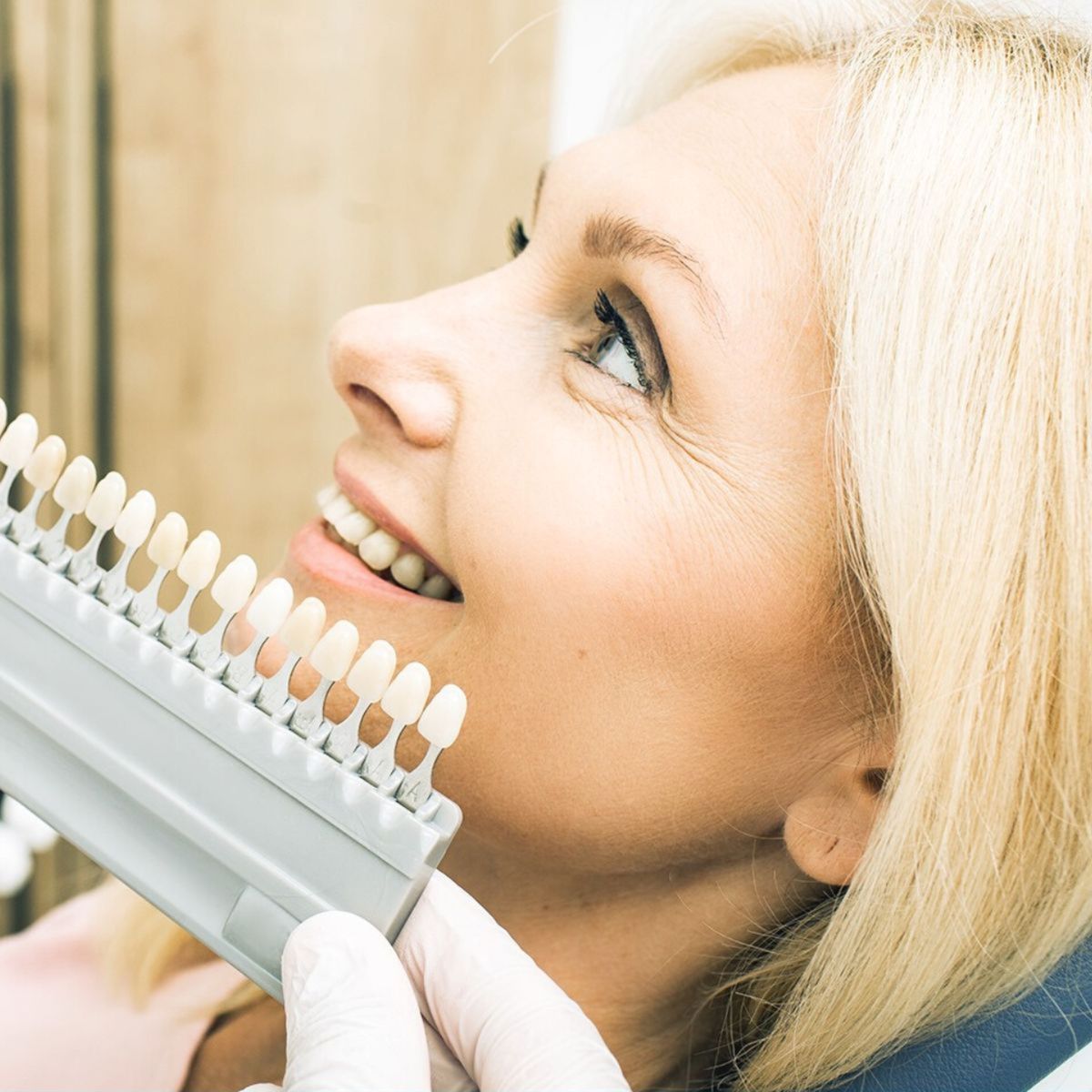
Cosmetic dentistry has quietly gotten more conservative
The biggest shift in cosmetic dentistry over the past couple of years isn't a flashier procedure — it's restraint. Ultra-thin, minimal-prep veneers that need little to no enamel removal have become one of the most requested treatments, precisely because they preserve more of your natural tooth than the veneers of a decade ago.
Patients are also gravitating toward subtlety over uniformity: veneers and bonding shaded and shaped to vary slightly from tooth to tooth, rather than one flat, identical white. The goal is a smile that reads as naturally yours, just better.
Digital smile design: seeing before you commit
Most cosmetic cases now start with a digital preview — a 3D scan of your teeth combined with photos of your face, used to simulate how whitening, veneers or aligners will actually look on you before any tooth is touched. It's a meaningful change from the old plaster-model mock-ups, and it means fewer surprises and more confidence going into treatment.
Whitening: still the simplest first step
Professional whitening remains the lowest-cost, lowest-commitment cosmetic treatment, and it's improved too — pH-balanced gels and controlled light systems now lift shade with less sensitivity than older formulas. In-office whitening is monitored and generally safer for your enamel than store-bought kits, since concentration and exposure time are controlled by your dentist rather than guesswork at home.
Veneers and bonding: for chips, gaps and stubborn stains
When whitening won't fix the issue — internal staining, chips, gaps or uneven edges — veneers or bonding usually will. Porcelain veneers are the more durable, stain-resistant option and can last well over a decade with good care; bonding is faster and less expensive but wears less gracefully over time and may need touch-ups sooner.
- Whitening — brightens existing enamel, no tooth reduction
- Bonding — reshapes chips/gaps in a single visit, moderate durability
- Veneers — corrects shape, color and alignment issues together, most durable
How to choose without overspending
Start with the least invasive option that solves your actual concern. If it's just color, whitening first — you may not need veneers at all. If it's shape or a stubborn gap, ask your dentist to show you both a bonding and a veneer plan side-by-side, including expected lifespan, so you're comparing real trade-offs rather than guessing.