Dental Implants: Success Rates, Timeline and What to Expect
The realistic timeline, success rates and healing process behind the most durable way to replace a missing tooth.
What an implant actually replaces
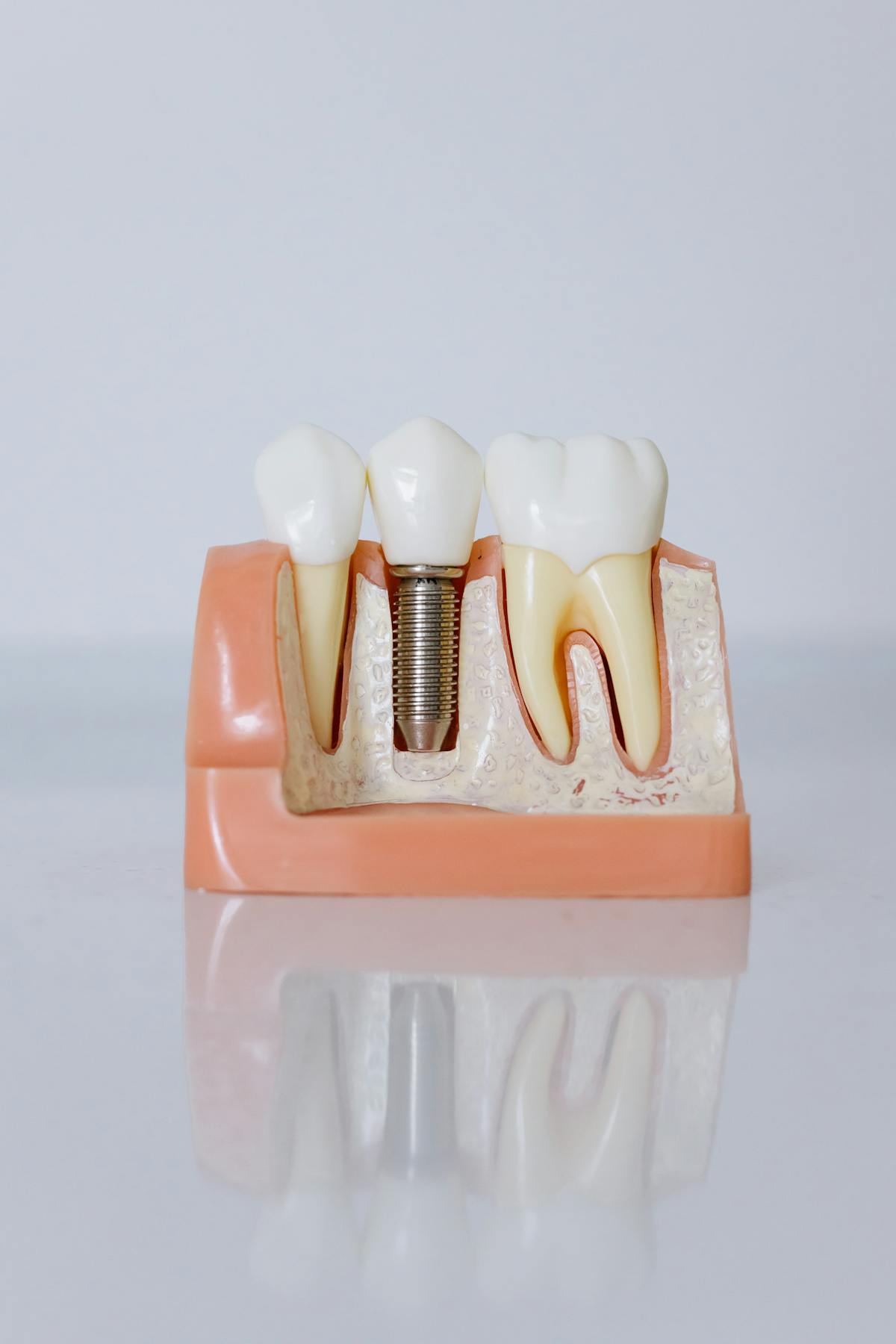
Unlike a bridge, which relies on neighbouring teeth for support, a dental implant replaces the entire tooth — root included. A titanium post is placed directly into the jawbone, where it fuses with the bone over several months through a process called osseointegration, then a custom crown is attached on top.
Success rates, honestly
Peer-reviewed research consistently puts implant success in the 90–98% range over ten years, and the American Dental Association cites a similar 90–95% figure — genuinely high odds for a surgical procedure. Failure, when it happens, is most likely in the first year, and is strongly linked to a small set of risk factors rather than bad luck.
- Smoking — the single biggest modifiable risk factor for implant failure
- Uncontrolled diabetes or gum disease at the time of placement
- Insufficient bone density (often addressed with grafting beforehand)
The realistic timeline
Most implant cases run three to nine months from consultation to final crown, depending on whether an extraction or bone graft is needed first. The lower jaw generally heals faster (roughly three to four months) than the upper jaw (four to six months), simply because of differences in bone density between the two.
What healing actually feels like
The placement itself is done under local anesthetic (with sedation available if you'd prefer), and most patients describe it as far more comfortable than they expected. Mild swelling and soreness for three to seven days afterward is normal and manageable with over-the-counter pain relief; anything more severe or long-lasting is worth a call to your dentist.
Protecting your investment long-term
The titanium post itself can last decades, even a lifetime, once it's fused with your bone — but the crown on top will typically need replacing after ten to fifteen years of normal wear. Regular cleanings and checkups matter just as much for an implant as for a natural tooth, since gum inflammation around an implant (peri-implantitis) is one of the few things that can still put it at risk.